
Autonomous
Infrastructure Operations
From reactive troubleshooting to continuous operational intelligence. Don't read about it first. Run the incident below and play the human.
RESOLVED in 14m 13s of simulated time, and the pattern is now part of the knowledge base.
Semantic team
Root-cause cluster: last night's switch firmware upgrade left an MTU mismatch on pair B, degrading the iSCSI path → storage latency → timeouts and retries in the auth tier.
Why incidents look like this
Modern enterprise infrastructure spans cloud platforms, virtualization, storage, networking, Kubernetes and highly interconnected systems. When something fails, the root cause is often far from the visible symptom at the surface.
A storage problem may originate in the network, exactly as in the incident above. An application issue may be caused by infrastructure. A failed upgrade may involve dependencies across several platforms.
Traditional operations depend heavily on experienced engineers bringing this fragmented information together manually.
The challenge:
how familiar is this?
Tick what your team lives with.
The Mycelium Mind approach
Mycelium Mind enables a team of persistent Semantic Entities to support infrastructure operations. Different specialists can focus on areas such as networking, storage, platforms, availability, upgrades, cloud infrastructure, security and incident coordination.
When an incident occurs, as you saw, the relevant specialists work together to produce a coherent view of what is happening. Instead of waiting for a human engineer to manually coordinate every step, the Semantic Team continues the investigation until:
- 1a likely cause is identified
- 2additional information is required
- 3a recommended action is produced
- 4human approval is required
- 5the issue is resolved
Humans remain responsible for policy, authority and critical decisions. That's why the simulation stopped and waited for you.
Knowledge that
improves over time
The value does not end when the incident is closed. Lessons from previous investigations are retained so that future incidents benefit from earlier experience. The pattern your run just added is one of them.
Over time, the organization builds an operational knowledge base reflecting not only documentation, but also the realities of its own infrastructure.
- Recurring failure patterns
- Environment-specific behavior
- Successful troubleshooting approaches
- Known dependencies
- Previous incidents
- Operational lessons
The goal is to turn infrastructure operations from a sequence of isolated incidents into a continuously improving operational capability.
Path toward greater automation:
set the dial
Click through a level to see the capability progression.
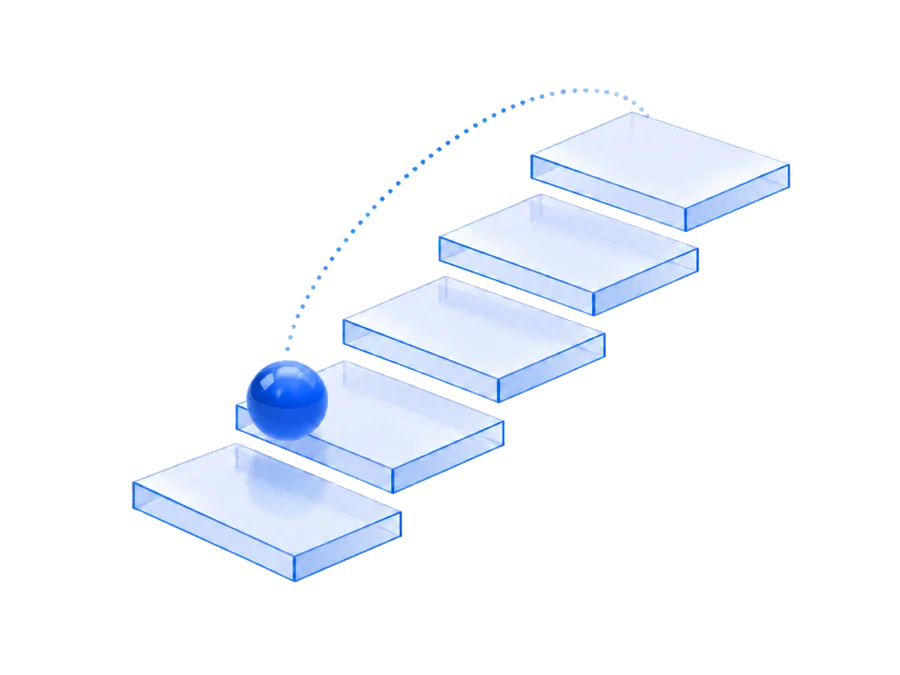
Assist. Support engineers during investigation.
The level of autonomy increases gradually as you grant authority. The dial is yours at every stage.
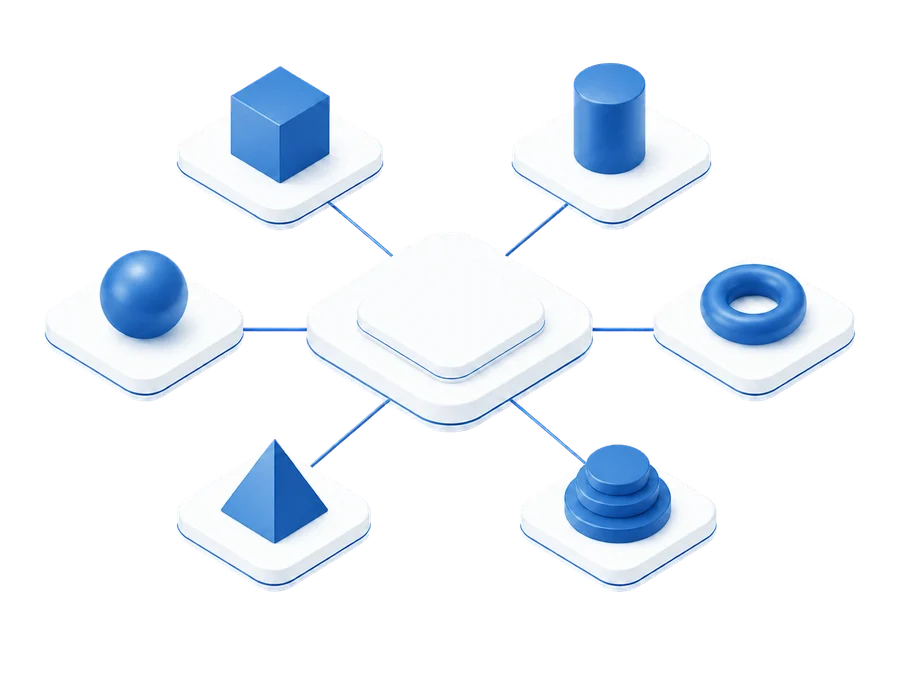
Vendor-agnostic by design
The approach is intended for heterogeneous enterprise environments of all kinds. It complements existing cloud platforms, Kubernetes environments, virtualization platforms, storage systems, networking infrastructure, monitoring systems and operational tooling.
Mycelium Mind sits across the operations environment rather than requiring organizations to replace the systems they already use.
Business value
- Faster incident resolution: reduce the time required to correlate information across infrastructure domains.
- Greater engineering capacity: senior engineers spend less time repeating routine investigations.
- Knowledge retention: valuable operational experience survives team or personnel change.
- Reduced escalation dependency: specialist knowledge is more consistently available.
- Continuous improvement: previously solved problems improve future investigations.
- Path toward self-healing operations: automate remediation where evidence, risk and policy justify it.
What to measure
A deployment is evaluated against a baseline, not against promises.
The outcome
The objective is not to replace infrastructure engineers. It is to give them a persistent digital operations team that can investigate continuously, preserve experience and handle increasing operational complexity without increasing human coordination at the same rate.
Alert → Human investigation → Manual coordination → Resolution
Event → Continuous investigation → Coordinated analysis → Human decision where required → Resolution → Experience retained