Independent Specialists
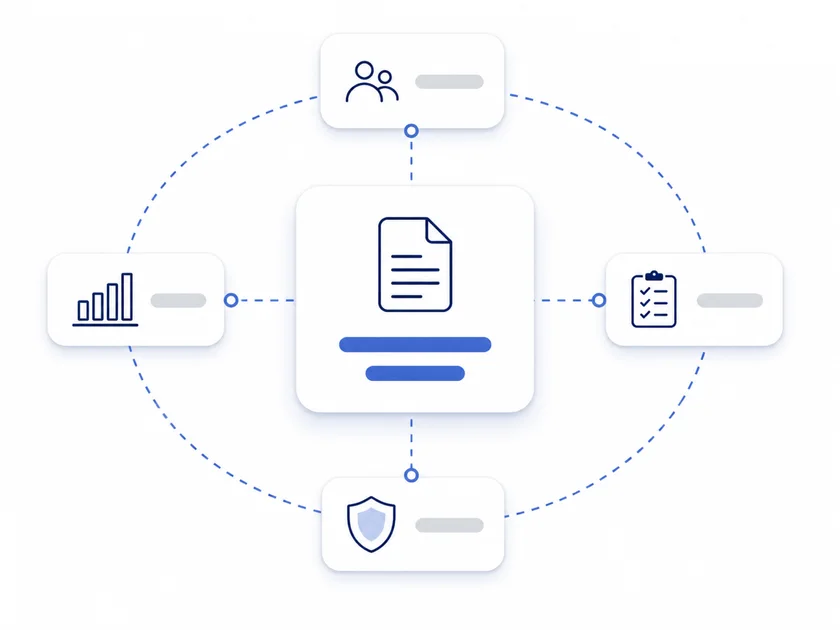
Research, operations, analysis, support, risk and planning can run as separate specialists with distinct responsibilities.
Autonomous enterprise intelligence
Mycelium Mind enables independent teams of Semantic Entities to collaborate continuously around a business objective: researching, coordinating, executing and improving without waiting for a human to prompt every next step.
Continuous team active
One mission·a measurable baseline·humans keep the authority.
Continuous team active
 PROJECT
Partners Teams and technologies we work alongside.




Different Semantic Entities can specialize in different roles, share only the context they need, coordinate around a mission and continue working until an outcome, escalation or boundary is reached.
Research, operations, analysis, support, risk and planning can run as separate specialists with distinct responsibilities.

Entities can exchange work, evidence and requests without requiring a person to manually orchestrate every interaction.

The team works toward a defined project outcome while each Entity preserves its own role, history and development.

New incidents, customer requests, deadlines, data changes or project milestones can trigger work without waiting for a prompt.

Teams can work independently inside clear business, security and approval boundaries rather than operating without control.

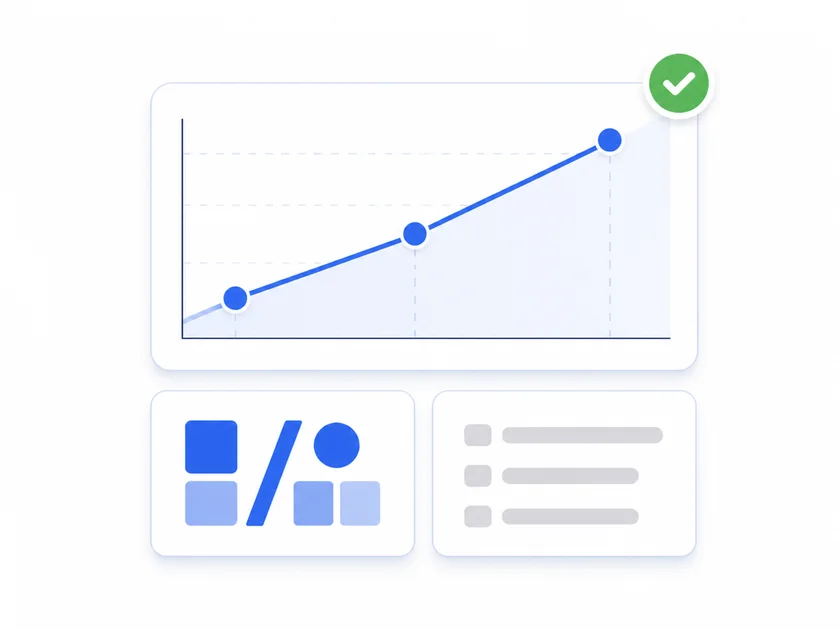
Work can be tied back to evidence, cost, time saved, throughput, risk reduction and measurable business value.
The goal is not autonomous AI for its own sake. The goal is reducing coordination overhead and giving teams more capacity to finish work.
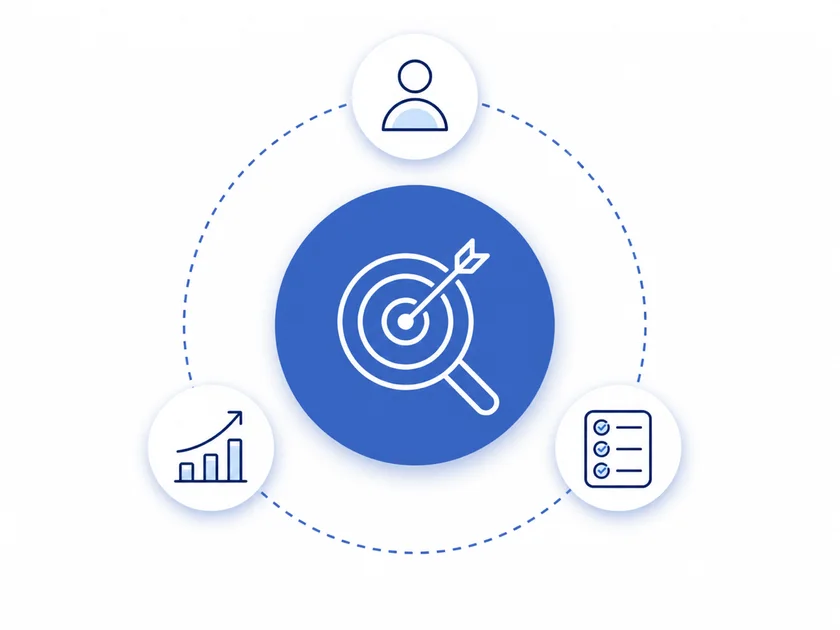
A human defines the mission, success criteria, constraints and authority.
Human sets directionEntities divide the work, ask each other for help, gather evidence, execute approved actions and adapt as the project evolves.
Continuous coordinationThe team returns results, unresolved questions, risks, cost and measurable contribution instead of just another conversation.
Outcome-drivenYour enterprise is already a network of systems, data and decisions. We connect Semantic Teams to the work as it is, not a simplified version of it.
Use the right model for the work. Switch providers without rebuilding your operating layer.
Private deployment, least-privilege access and complete action provenance.
APIs, events, data warehouses and the long tail between them.
Cloud, private cloud or on-premise, aligned to your risk posture.
Every Entity lives outside the AI model that runs it. A wake restores its state, does bounded work, writes back and ends, so the worker survives sessions, restarts and even a change of model.
A fresh model session starts, with no conversation history at all.
The Entity's identity, open work and known limits are loaded from its own state.
Bounded work happens inside the mission and the authority it was given.
Results, decisions and corrections are committed back to the Entity's state.
The session ends. The Entity, and everything it learned, does not.
Mycelium Mind becomes most valuable where one task naturally crosses research, analysis, coordination, execution and review.

Network, storage, platform and security specialists investigate incidents from different angles and retain the experience for the next one.
Investigate. Correlate. Retain.
A customer-facing Entity maintains context while research, product and escalation specialists work behind it to resolve complex cases faster.
Context. Collaboration. Resolution.
A persistent team correlates weak signals across trial sites and prepares structured evidence for qualified human review.
Monitor. Correlate. Review.
Specialists divide literature review, experimentation, criticism, synthesis and reporting, preserving project context across long-running research.
Explore. Validate. Synthesize.
Architecture, coding, testing, security and release specialists coordinate against one delivery objective while preserving technical history between iterations.
Build. Test. Secure. Release.
Market, customer, competitor and financial specialists continuously gather signals and surface opportunities or risks when they become relevant.
Signal. Analyze. Act.The difference is not a better chatbot. It is a different unit of work: a coordinated team with its own memory, roles and boundaries.
The economic case comes from completing more work, reducing coordination cost, retaining knowledge and shortening time to outcome.
Management view
Net value createdROI
A single assistant is usually reactive. A coordinated team can specialize, run work in parallel, continue from events and hand tasks between roles without waiting for a person to manually carry context from one step to the next.
Your numbers, your baseline. This is the figure a pilot is measured against.
Nobody tracks this number precisely. Think of one normal week: status meetings, handoffs, waiting on answers, re-explaining context. Then pick the closest:
Coordination cost per year
The hours your best people spend keeping each other in sync, paid at full rate, before any real work happens.
Autonomy only works inside boundaries. Every team runs within the authority, policies and escalation paths your organization defines.

Entities act only within the authority they were granted: scopes, systems and actions are explicit, not implied.

High-risk or irreversible actions stop and wait for a named human decision before anything happens.

Every action, decision and handoff is recorded: who did what, on whose authority, based on which evidence.

Entity state and project knowledge live in your perimeter. They are your asset, not a vendor's training data.

Run on a hosted frontier model or an air-gapped local one, and change that decision later without losing the team.

Exceptions, conflicts and missing decisions route to named owners instead of being resolved silently.
Semantic teams can continue working independently inside a defined mission, but people still determine goals, authority, policies and escalation boundaries. This is designed to increase organizational leverage without turning critical business decisions over to uncontrolled automation.
Short answers here. The longer conversation happens around your specific process, on a demo call.
A coordinated group of Semantic Entities that specialize in different roles: research, planning, operations, risk, customer and analysis. They share only the context they need, and continue working toward a defined project outcome until an outcome, escalation or boundary is reached.
A single assistant is usually reactive. A coordinated team can specialize, run work in parallel, continue from events and hand tasks between roles without a person manually carrying context from one step to the next.
No. Semantic teams work independently inside a defined mission, but people still determine goals, authority, policies and escalation boundaries. Autonomy removes unnecessary prompting, not human authority.
Against a measurable baseline rather than prompt counts: work completed, human hours saved, time to resolution, escalations and exceptions, AI operating cost and net value created.
Yes. Entities are model-independent: the same team can run on a hosted frontier model or an air-gapped local one, and you can change that decision later without losing the team. Entity state and project knowledge stay in your perimeter.
With one mission: pick a workstream that already crosses several people and systems, set a measurable baseline of what it costs today, design the team's roles and authority boundaries, then measure the outcome against that baseline.
We can identify a process, define a measurable baseline and design a Semantic Team pilot around the outcome rather than around a chatbot.
or write to
Metrics are agreed in writing before the run. If the baseline doesn't move, you'll know it in 30 days.
Human-directed, machine-continuous. People still set the goals, the authority and the escalation boundaries.